LGBTQ Drippy Lips: A Designer’s Real-World Embroidery Review
First Impressions: Bold, Playful, and Unapologetically Queer
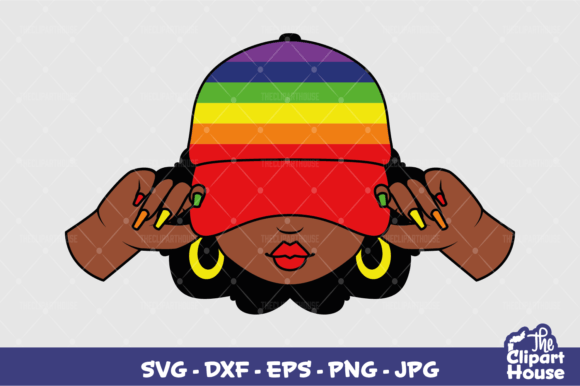
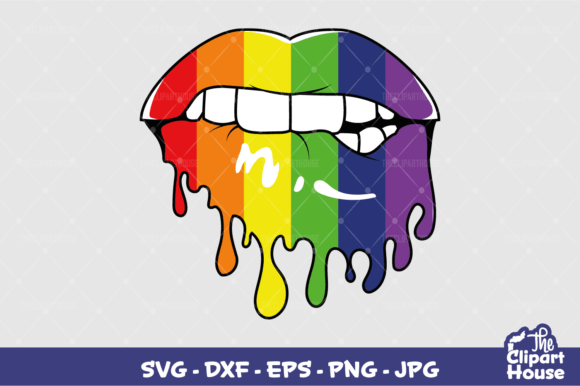
When I opened LGBTQ Drippy Lips, my first thought wasn’t “cute” or “trendy”—it was “this has presence.” The dripping effect gives it motion and attitude; the lips aren’t static—they’re expressive, fluid, and intentionally imperfect. As a designer who regularly selects machine embroidery designs for client work and small-batch handmade products, I immediately saw its potential as a statement piece—not just decoration. It reads clearly at medium scale (think 3–4 inches wide), carries visual weight without overcrowding, and balances graphic simplicity with emotional resonance. That’s rare in a design labeled under Crafts and Graphics. It doesn’t try to be everything—it owns its vibe: joyful, defiant, and deeply human.
Real Project Test: Embroidering a Limited-Edition Tote for Pride Month
Last week, I stitched LGBTQ Drippy Lips onto a natural canvas tote bag for a local queer-owned boutique’s Pride launch. We used a medium-weight tear-away stabilizer, 40-weight polyester thread, and a 5×7 hoop. The result? Crisp edges on the lip outline, smooth satin stitch curves, and just enough “drip” texture to read as intentional—not sloppy. Customers loved how it looked both up close (the subtle gradient in the drip area translated beautifully into layered fill stitches) and from across the room. Importantly, it didn’t overwhelm the tote’s organic texture. That tells me LGBTQ Drippy Lips works best when paired with fabrics that have character—not sterile, ultra-smooth synthetics.
Where It Shines (and Where It Needs Care)
LGBTQ Drippy Lips excels in projects where personality matters more than precision-perfection:
- Custom apparel: Sweatshirts, crewnecks, and denim jackets—especially on left-chest or back placements—let the design breathe and land with impact.
- Embroidered patches: Its clean outer shape and moderate detail make it ideal for sew-on or iron-on patches sold as standalone pride accessories.
- Baby embroidery: On organic cotton onesies or burp cloths, it reads sweetly subversive—not too loud, not too literal. Just right for progressive parents.
- Holiday embroidery & personalized gifts: Think rainbow-adorned tea towels for Thanksgiving, embroidered pillow covers for wedding guest favors, or linen aprons for queer-owned bakeries.
- Small shop product: As a digital embroidery file, it’s versatile enough for Etsy sellers to bundle with coordinating SVGs or printable mockups—adding value without overcomplicating production.
Design Notes Every Embroiderer Should Check Before Stitching
This isn’t a “load-and-go” design—and that’s a good thing. Thoughtful execution makes all the difference:
- Test on scrap fabric first, especially if using textured weaves (like burlap or heavy twill) or stretchy knits. The drip’s taper can blur on unstable surfaces without proper cut-away stabilizer.
- Review stitch density. Some versions of drippy-lip motifs pack too many fill stitches into narrow areas—causing puckering. With LGBTQ Drippy Lips, I found density balanced, but always check your file’s settings before scaling beyond 120%.
- Confirm hoop size compatibility. It fits comfortably in a 5×7, but pushing it into a 4×4 requires careful trimming of the drip tail—or accepting softer definition at the tip.
- Inspect small details in your embroidery software: the curve where the upper lip meets the drip, the inner contour of the mouth. These define clarity. If they look pixelated or jagged at 100%, the file may need smoothing.
- Test thread color contrast deliberately. This design thrives on bold pairings—fuchsia thread on navy denim, black on ivory linen—but avoid low-contrast combos (e.g., light gray on heather gray) that mute its energy.
- Compare light and dark fabric backgrounds in a printable mockup. What reads as vibrant on white may recede on charcoal unless stitch count or underlay is adjusted.
What It Adds to Your Handmade Product—and What It Doesn’t
LGBTQ Drippy Lips elevates a simple tote or onesie from “nice” to “meaningful.” It signals intention—not just craft skill, but cultural awareness and inclusive joy. For Etsy sellers and craft fair vendors, that builds trust fast. Buyers recognize authenticity. They also notice when a design feels mass-produced versus thoughtfully chosen—and this one leans firmly into the latter.
That said, it’s not a neutral background motif. Don’t force it onto delicate nursery decor meant for quiet serenity, or onto corporate-branded swag where tone mismatch could confuse your audience. It belongs in spaces that celebrate visibility—not blend in.
A Word on Licensing & Commercial Use
The product description confirms LGBTQ Drippy Lips is compatible with Cricut, Silhouette, and other cutting machines—and lists printable formats like heat transfer and iron-on. But embroidery files are often licensed separately from print-ready graphics. If you plan to sell finished embroidered items (e.g., custom sweatshirts or patches), verify whether your purchase includes commercial embroidery rights. Likewise, if you’re bundling it as part of a digital embroidery collection for resale, confirm redistribution terms. When in doubt, reach out to the creator directly—most responsible designers respond quickly and clarify permissions.
Final Thought: Not Just a Design—A Conversation Starter
I’ve stitched hundreds of pride-themed motifs over the years. What sets LGBTQ Drippy Lips apart is how easily it invites connection. At craft fairs, people pause, smile, and say, “That’s *us*.” On baby clothes, grandparents ask about the meaning. On staff aprons, it sparks team conversations about belonging. That’s the mark of strong design: it serves function, expresses identity, and leaves room for story.
If you’re choosing a machine embroidery design for real project use—whether for a single personalized gift or your next small shop product line—LGBTQ Drippy Lips earns its place. Not because it’s trendy, but because it’s thoughtful, adaptable, and unforgettably alive.