LGBTQ Cap Woman
First Impressions: Friendly, Bold, and Ready for Real Life
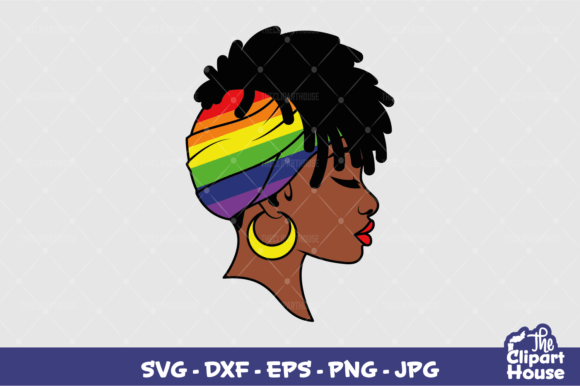
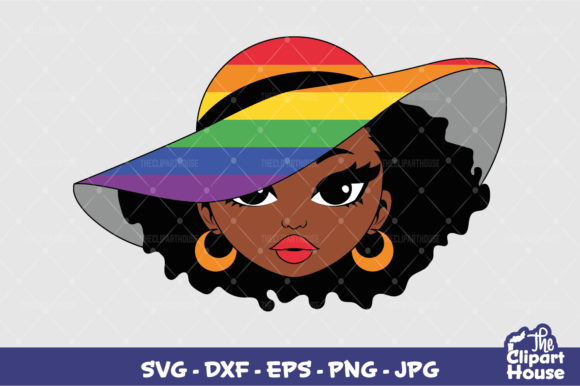
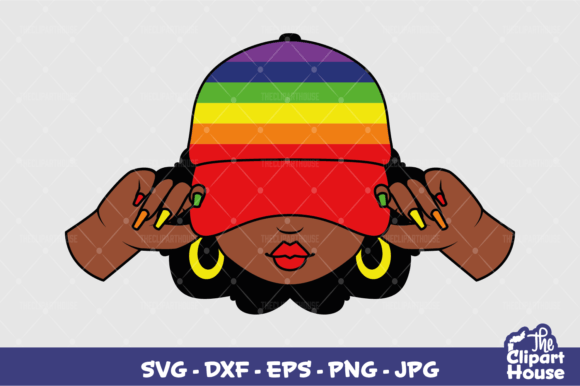
When I opened LGBTQ Cap Woman in my embroidery software, what struck me wasn’t just the rainbow motif—but how immediately *human* it felt. It’s not a stiff emblem or a generic flag repeat; it’s a stylized, confident woman wearing a cap, with clean lines, balanced negative space, and subtle curves that suggest movement and warmth. The design leans into approachability without sacrificing clarity—exactly what you want when stitching for real customers. As a designer who regularly tests files before committing to client work, I appreciated how its layout naturally guides the eye: the cap anchors the top, the figure grounds the center, and the rainbow accents (not overwhelming, not hidden) add meaning without crowding.
A Real Project Test: Embroidering a Boutique Tote Bag
Last week, I used LGBTQ Cap Woman on a natural canvas tote for a local women-owned café’s Pride Month collaboration. We chose a medium-weight cotton canvas, medium tear-away stabilizer, and matte poly thread in soft black and muted rainbow tones. The result? Crisp satin-stitched outlines, smooth fill areas with moderate stitch density (no puckering), and zero distortion—even across the curved seam near the handle attachment point. Customers responded strongly: not just to the message, but to how *well-made* it looked. That tells me LGBTQ Cap Woman isn’t just symbolic—it carries visual weight as a handmade product. It reads clearly at 3.5 inches wide, holds up in natural light, and doesn’t get lost in fabric texture. For Etsy sellers or small shop owners building trust through craftsmanship, that reliability matters more than flashy details.
Where It Shines—and Where to Pause
LGBTQ Cap Woman excels on stable, mid-weight fabrics: sweatshirt fleece, twill caps, linen tea towels, cotton aprons, and baby bodysuits (with lightweight cutaway stabilizer). Its proportions scale cleanly down to ~2.75" for embroidered patches or up to 5" for pillow covers—no jagged edges or collapsed lettering. On custom apparel like crewneck sweatshirts or unisex tees, it lands with quiet confidence: not shouting, but unmistakably present.
That said—proceed thoughtfully on stretchy knits (like jersey t-shirts) or very thin fabrics (chiffon, voile). The design includes fine contour lines around the cap brim and facial features that can blur if stabilizer isn’t precisely matched to fabric drape. On dark garments, test contrast first: some rainbow thread palettes fade visually unless you boost saturation or use metallic-tinged polyester. And on curved surfaces like structured caps? Confirm your hoop size accommodates the full width comfortably—tight hooping pulls the design and distorts the cap’s shape.
Small Details, Big Impact
- Fabric texture matters: On nubby bouclé or heavily textured weaves, simplify thread choices—avoid ultra-fine satin stitches in the cap’s crown unless you’re willing to re-hoop for density adjustments.
- Wash durability: Because LGBTQ Cap Woman relies more on shape and silhouette than dense fill, it holds up well after repeated laundering—ideal for baby embroidery or kitchen towels meant for daily use.
- Giftability & brand alignment: Its tone fits boutique branding perfectly—not too corporate, not too craft-fair-casual. It feels intentional, inclusive, and quietly proud. That builds customer trust faster than any slogan.
Design Judgment for Commercial Use
If you’re an Etsy seller, craft fair vendor, or small-batch apparel decorator, LGBTQ Cap Woman works as both a standalone statement piece and a cohesive element in a larger collection—think matching totes + tea towels + embroidered patches sold as a “Pride Home Set.” As a digital embroidery file, it avoids overcomplication: no excessive jump stitches, no nested layers that confuse multi-hooping workflows, and no tiny isolated elements prone to thread breakage. That translates to fewer restarts, less wasted time, and more consistent finished products.
But—and this is critical—LGBTQ Cap Woman is listed under Crafts and Graphics, not licensed commercial embroidery. Before selling physical items (like embroidered caps or baby onesies) or reselling the file itself, verify usage rights. Many crafters assume “suitable for Cricut and Silhouette” implies blanket commercial permission—it doesn’t. Always check the license terms. If you plan to offer it as part of a digital embroidery bundle, confirm whether redistribution or derivative use is allowed.
Practical Designer Notes You’ll Actually Use
- Test on scrap fabric *first*, especially if using heat-transfer vinyl alternatives—the design’s clean edges translate well, but adhesive hold varies by substrate.
- Check thread color contrast on both light and dark mockups—rainbow accents can recede on busy prints or heathered yarns.
- Review stitch density in the cap’s brim and hairline: moderate fill keeps it soft and wearable, not stiff or bulky.
- Confirm hoop size compatibility *before* hooping—some versions may require a 4x4 hoop minimum, others fit neatly in 3x3 for smaller items like baby hats.
- Inspect small details in black-and-white mode: does the face remain legible? Does the cap retain definition? If not, adjust stitch type (e.g., swap fill for running stitch in narrow zones).
- Use appropriate stabilizer: cutaway for knits, tear-away for stable wovens, fusible for lightweight linens.
- For printable mockups or digital previews, export clean PNGs at 300 DPI—LGBTQ Cap Woman’s vector-friendly outline ensures crisp scaling.
Final Thought: A Design That Earns Its Place
LGBTQ Cap Woman isn’t just another Pride-themed graphic. It’s a considered, stitch-ready asset—one that respects the craft behind embroidery and the intention behind inclusion. It performs across contexts: as a heartfelt personalized gift, a polished small shop product, or a professional commercial embroidery project. It invites connection without demanding attention. And in a market flooded with rushed digital downloads, that balance—of clarity, care, and quiet confidence—is rare. Use it where authenticity matters most. Then stitch it well.