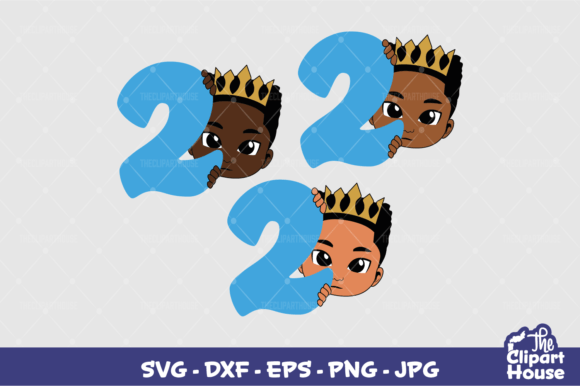
Teach Black History Graphics for Local Business Branding
A Bold Graphic Design Asset for Meaningful Branding
The first impression of Teach Black History is striking—bold, vibrant, and rich with cultural symbolism. It carries a strong sense of purpose and identity, suggesting a brand that values education, heritage, and community. The design feels modern yet rooted in tradition, making it ideal for businesses that want to express authenticity and inclusivity in their branding. This graphic design asset would work exceptionally well for a local boutique, educational workshop, or a social enterprise focused on cultural awareness.
Design Versatility for Real-World Applications
Teach Black History offers a wide range of uses across various design needs. From logo design to packaging accents, this asset can be adapted to suit different brand identities. For instance, a small business owner running a handmade soap line could use it as a decorative element on product labels or as part of a seasonal campaign. A boutique store might incorporate it into social media graphics or website banners to reinforce their mission of promoting cultural education.
- Logo design: Use as a core visual element for a brand centered around education and heritage.
- Product label: Ideal for food labels, candles, or skincare products that emphasize cultural storytelling.
- Packaging design: Add depth and personality to boxes, bags, or jars through heat transfer or iron-on applications.
- Social media graphics: Create engaging visuals for Instagram, Facebook, or TikTok that align with the brand's values.
- Marketing visuals: Incorporate into flyers, posters, or promotional ads to communicate the brand’s message effectively.
Supporting Brand Identity and Customer Trust
Using Teach Black History can significantly enhance a brand’s visual hierarchy and overall presentation. The design adds a layer of professionalism while maintaining a personal touch, which is essential for small businesses aiming to build trust with their audience. By incorporating this graphic into branding materials, local businesses can create a stronger first impression and foster a deeper emotional connection with customers.
For example, a florist looking to highlight the cultural significance of their floral arrangements could use Teach Black History as a background element on thank-you cards or as a decorative accent on packaging. This not only elevates the product’s aesthetic but also reinforces the brand’s commitment to meaningful storytelling.
Where It Works Best
Teach Black History shines in areas where visual impact and cultural relevance are key. It works best as a hero graphic on product mockups, an accent on packaging, or a central element in promotional banners. It also performs well in editorial design, web design, and social media campaigns where the goal is to engage and inform.
- Product labels: Add a unique touch to food, craft, or home decor items.
- Packaging accents: Enhance the visual appeal of boxes, bags, or containers.
- Hero graphics: Serve as a focal point in marketing materials or digital assets.
- Seasonal packaging: Align with cultural holidays or events to create timely and relevant visuals.
- Social media campaign graphics: Boost engagement by connecting with audiences on a deeper level.
Considerations for Careful Use
While Teach Black History is versatile, it should be used with care in certain contexts. Its bold nature may not be suitable for formal corporate branding or luxury minimalist designs where subtlety is preferred. Additionally, it may compete with important text in crowded layouts or low-contrast backgrounds, so it’s essential to test its placement in real-world scenarios.
For instance, using it on ingredient-heavy labels or legal information sections could make the text harder to read. Similarly, pairing it with serif fonts may result in a cluttered look, whereas sans-serif or display fonts could complement it more effectively.
Practical Brand Designer Notes
As a brand designer, I recommend testing Teach Black History on real packaging mockups to ensure it integrates seamlessly with the product. Check how it looks in black and white, preview it on small labels, and test it with your brand colors to maintain consistency. Comparing it with competitor packaging can also help determine its competitive edge.
Always confirm the commercial license before using it for client work or physical product sales. Review the PNG transparency and SVG editability when relevant, as these factors affect print quality and adaptability. Lastly, consider how it fits within a broader design system, ensuring it supports both visual hierarchy and professional branding goals.
Conclusion
Teach Black History is more than just a graphic—it’s a powerful tool for small business branding and packaging design. Whether you’re creating product labels, social media graphics, or promotional visuals, this asset has the potential to elevate your brand’s presence and connect with your audience on a meaningful level. With thoughtful application, it can support a wide range of creative and commercial projects, helping local businesses stand out in a competitive market.